

Cryptocurrency prices fluctuate on a whim, but that’s precisely what makes them so exciting. One day, your portfolio is up 120% and then it’s tanking the next. However, behind these rollercoaster moves lie a bunch of factors driving every surge and crash, from macroeconomic trends to investor emotions and liquidity. Why is Crypto so volatile?
This guide explains exactly what makes crypto so volatile, including how volatility is measured, what fuels sudden price moves, and how to keep your cool when the charts turn red.
Table of Contents
What Does Crypto Volatility Mean?
Crypto volatility refers to the dramatic price swings that cryptocurrencies experience over time. Memecoins like Dogecoin ($DOGE) and Pepe ($PEPE) are “highly volatile” because their prices change rapidly, sometimes fluctuating by 30–50% in a single day. While this volatility makes them very risky, it offers traders a greater chance for bigger returns when they time the market correctly.
In contrast, “low-volatility” crypto assets like Bitcoin ($BTC) and Ethereum ($ETH) have steadier daily price movements, usually around 2–5%. While they aren’t as rigid as stablecoins like Tether ($USDT) that are pegged to the U.S. dollar, you’re unlikely to see sudden crashes or huge returns overnight.
How Crypto Volatility Is Measured
Cryptocurrencies are notoriously volatile, and while there’s no universal crypto VIX equivalent, traders use a range of tools to track and measure rapid price shifts. These tools not only show how much prices have moved, but also expose how risky and unpredictable the markets may be in the future.
Here’s an overview of common ways to measure crypto volatility:
- Historical Volatility: The standard deviation of a crypto’s past prices over a fixed period.
- Average True Range (ATR): A measurement of a coin’s average daily highs and lows over a fixed period, typically 14 days.
- Bollinger Bands: Upper and lower bands around a moving average that expand and contract as markets shift.
- Crypto Volatility Index (CVI): A kind of “fear and greed” index that tracks expected future volatility in major cryptos.
- Beta: A measure of how volatile a token is relative to the overall market.
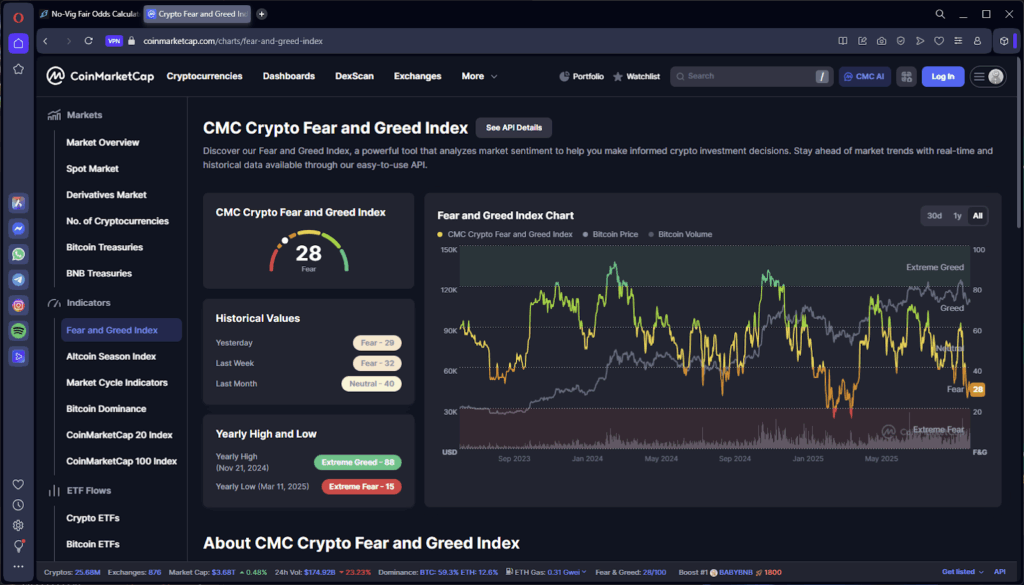
Main Reasons Crypto Is So Volatile
Crypto prices can rise or fall faster than almost any other asset class. But make no mistake, those movements are anything but random! Below are some of the biggest reasons why cryptocurrencies move so wildly.
Supply And Demand Dynamics
Like any market, crypto prices follow the basic rule of supply and demand. And Bitcoin’s fixed supply of 21 million coins is an excellent example of that: when demand spikes, prices surge; the opposite happens during selloffs.
Tokens with limited liquidity react even faster, meaning large trades or whale activity (large holders) can send prices skyrocketing. This volatility is amplified by crypto’s lack of regulation and safeguards, which allow sudden price swings to occur more frequently.
Role Of Retail Investors And Market Sentiment
Crypto is dominated by retail traders rather than large institutions, which makes it more prone to emotional trading. Social media trends, celebrity endorsements, or single tweets can trigger massive buying sprees or panic selling.
What’s more, since crypto exchanges operate 24/7 with little institutional oversight, it means crypto prices can change rapidly in response to sentiment or breaking news.
Illiquidity in Crypto Markets
Compared to stocks and bonds, most cryptocurrencies are quite thinly traded. Despite Bitcoin’s trillion-dollar market cap, its average trading volume is generally lower than that of major global stocks like Tesla ($TSLA) on most days, which often exceed $80–100 billion.
This limited liquidity, or lack of buyers and sellers, means even small trades can spark huge price changes. As seen with Bitcoin and Ethereum, though, greater institutional participation has helped ease volatility by growing liquidity. However, the same cannot be said for smaller tokens.
Regulatory Uncertainty
Another major driver of crypto volatility is the lack of regulation. Announcements from governments and central banks can affect investor confidence, sometimes long before laws are passed. Rumors about a country banning exchanges or tightening taxes can trigger massive sell-offs.
Interestingly, the trend is slowly changing. Some governments (like El Salvador) have begun adopting and even holding crypto in their national reserves. These moves can temporarily boost market optimism, but until global frameworks fully mature, regulatory news (both good and bad) will continue to drive market volatility.
Impact Of News And Global Events
Crypto doesn’t exist in a vacuum. It reacts dynamically to news and current events, like any risk asset. During periods of quantitative easing or rate cuts, investors move toward higher-risk, higher-return assets like Bitcoin. That influx of capital leads to price appreciation across the market.
The opposite happens during quantitative tightening and rate hikes, when borrowing becomes more expensive and liquidity dries up. Investors pull back from risky positions, triggering unexpected price declines in crypto markets.
Macroeconomic reports, such as inflation and unemployment figures, as well as geopolitical issues, can also shift sentiment. A single Fed report or CPI reading can trigger immediate reactions, making global monetary policies among the strongest (and often overlooked) forces behind volatility.
How Crypto Volatility Compares To Traditional Assets
While many cryptocurrencies behave like tech stocks, they’re far more volatile than traditional assets. Unlike gold or bonds, which have decades of data, regulation, and deep liquidity, crypto is young and in price discovery. Its value also depends heavily on sentiment and adoption.
Historically, Bitcoin’s annualized volatility has been 3-4x higher than the S&P 500, with daily swings of 5–10%, which is far beyond most equities. That gap is narrowing, though, with institutional products like BlackRock’s and Vanguard’s ETFs bringing greater stability and liquidity to the market.
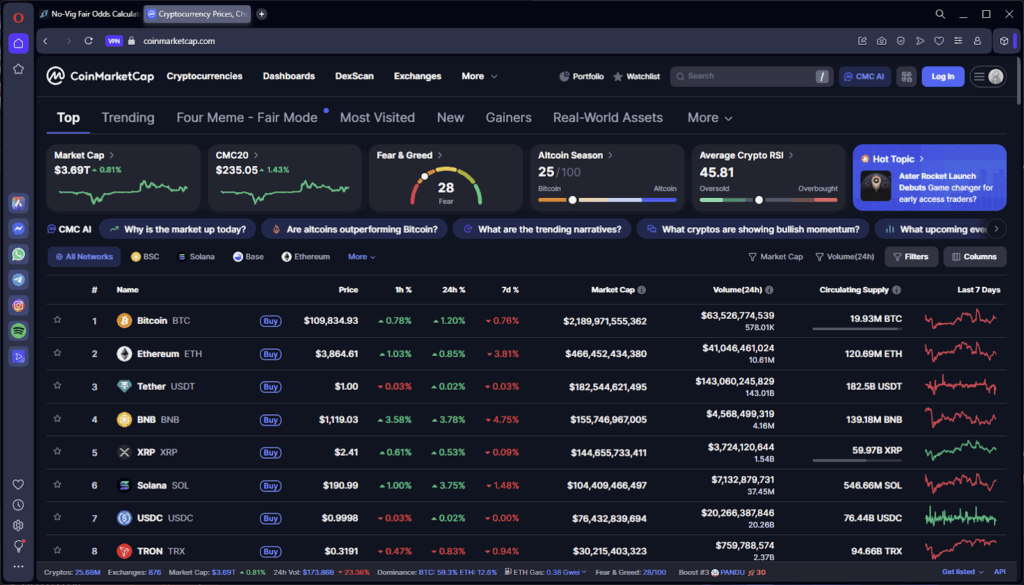
How To Deal With Crypto Volatility As An Investor
Crypto is a high-risk, high-reward asset class. But that volatility isn’t all bad. The key to maximizing opportunity is to manage risk and emotion. Like any bet, never invest more than you can afford to lose, especially considering that crypto prices can easily drop 20–30% overnight.
For long-term HODLers, investing small, regular amounts (dollar-cost averaging) can help cushion against market fluctuations. At the same time, a portfolio of Bitcoin, Ethereum, and stablecoins can further diversify your risk.
If you’re day trading, use stop-loss orders, strict position sizing, and minimal leverage to stay safe. Always research high-risk tokens, such as memecoins and airdrops, before investing, as they can swing wildly in value. And above all, avoid emotional trading.
Common Questions About Crypto Volatility
Confused about crypto volatility? These frequently asked questions (FAQs) should clear the air!
What Does It Mean When Crypto Is Volatile?
When a crypto is volatile, it means prices change very quickly, rising or falling by large amounts within a matter of days or even hours!
Why Aren’t Crypto Prices Stable?
Since crypto is young, it’s highly sensitive to sentiment, politics, news, and global events. Plus, with limited supply, even small shifts in demand can cause volatile price action, keeping values constantly on the move.
Does Volatility Mean Crypto Is Riskier Than Stocks?
Generally, yes. Cryptocurrencies experience larger and faster price movements, making them far riskier investments. That volatility also leads to bigger profits, but also heavier losses.
What Can I Do To Protect My Investments?
Like most stocks, you should only invest what you can afford to lose. Avoid emotionally driven decisions and use data-driven analysis and fundamental principles to inform your trades. You can also use dollar-cost averaging to spread out risk.
Always practice Responsible Gambling and check out our latest promo offers and boosts. T&Cs apply. 18+ to play.